
Museum & Cultural Facility Roofing roof access, staging space, and tenant or operations limits.
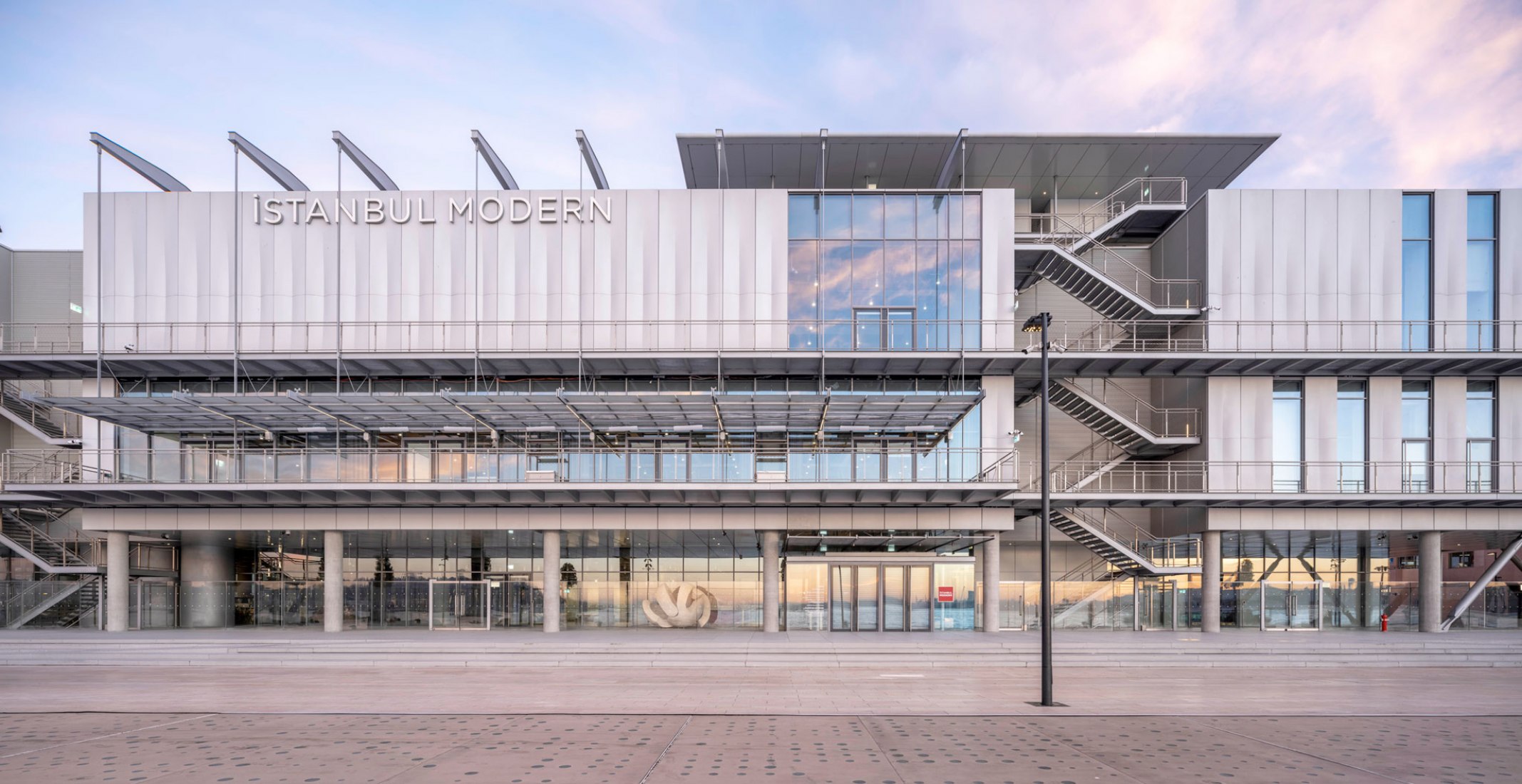
Museum & Cultural Facility Roofing in Corpus Christi, TX
Corpus Christi's commercial base includes the Port's industrial waterfront, the South Padre Island Drive commercial corridor, and the rapidly expanding Calallen and Portland employment zones. Museums and cultural institutions in this market require roofing specifications that protect collections from even low-rate moisture infiltration — the standard for museum envelope performance is zero-tolerance, and the phasing, temporary protection, and skylight coordination requirements that achieve that standard are fundamentally different from standard commercial roofing practice.
For Higher Education Roofing, Visit Corpus Christi describes the bayfront and downtown area as including the waterfront Sea District, Marina Arts District, cultural venues, Whataburger Field, hotels, and coastal dining.
Historic museum buildings in Corpus Christi — the civic landmarks, former Beaux-Arts courthouses repurposed as cultural institutions, and purpose-built museum buildings from the late 19th and early 20th century — carry regulatory requirements for exterior modifications that standard commercial buildings don't. SHPO review, Secretary of the Interior's Standards for Rehabilitation, and in some cases local landmark commission approval are prerequisites for roofing replacement on these buildings. A contractor who arrives at permit application without having started the SHPO process has added 60-90 days to the project schedule that didn't need to be there. We initiate SHPO coordination at contract execution on every historically designated museum building.
The National Historic Preservation Act (NHPA) Section 106 consultation requirement applies to museum projects that receive federal funding — including NEH grants, IMLS programs, and federal facilities grants. Section 106 requires consultation with the SHPO and potentially with Native American tribes before undertaking any "undertaking" — which includes federally funded construction — that could affect properties included in or eligible for the National Register. For museum capital improvement projects using federal grant funds, we confirm the Section 106 consultation status with the funding agency's preservation officer before permit application.
Local landmark commission review applies to museum buildings designated as local landmarks in Corpus Christi, in addition to or instead of SHPO review. Landmark commissions in most jurisdictions have authority to approve or deny exterior modifications to designated properties, and their review processes are independent of the state SHPO process. We confirm the landmark status of every historic museum building and identify all applicable review authorities before beginning the permit process. Missing a required landmark commission review is a more common error than missing the SHPO process — local designation is less widely understood than state and federal historic registration.
Museum & Cultural Facility Roofing — Regulatory Questions
SHPO review for a historic museum re-roofing project requires: documentation of the existing historic roofing material (photographs, material identification), a proposed scope of work description showing how the work meets the Secretary of the Interior's Standards for Rehabilitation, specification documents for any replacement materials, and a narrative explaining why the proposed approach is the appropriate treatment for the historic fabric. For buildings with highly significant architectural roofing — original copper, slate, or clay tile — the SHPO may require material matching or historically compatible alternatives. Review takes 30-90 days; we initiate the process as early as possible.
The Standards require that the historic character of a building be preserved to the extent possible. For roofing, this means: preserving historic roofing materials that are structurally sound and historically significant; repairing rather than replacing historic materials where repair is technically feasible; when replacement is necessary, matching the visual character of the historic material as closely as available products allow; and documenting the original historic material with photographs and written description before any work proceeds. Modern membrane systems are generally acceptable under the Standards for flat or low-slope sections not visible from public ways.
Museum buildings designated as local landmarks in Corpus Christi require Certificate of Appropriateness (COA) approval from the Corpus Christi Historic Preservation Commission (or equivalent body) before any exterior modification including roofing. The COA application requires design drawings, material specifications, and a written narrative explaining how the proposed work is appropriate to the landmark character. COA review timelines vary by jurisdiction — typically 30-60 days for straightforward maintenance work, longer for complex material replacement. We confirm the landmark status and COA requirements for each museum building before permit application.
A building permit is required for all museum re-roofing in Corpus Christi. For assembly-classified museum buildings, the permit application requires fire marshal review in addition to building department review. For historically designated buildings, SHPO approval (and local landmark COA where applicable) must be obtained before the building permit is issued in most jurisdictions. The permit timeline for a historic museum building in Corpus Christi typically runs 8-12 weeks from application to issuance. We submit a complete permit package — specification documents, SHPO documentation, structural letters, and fire marshal coordination documentation — in a single submission to minimize review iterations.
The Federal Historic Preservation Tax Incentive program provides a 20% federal tax credit for qualified rehabilitation expenditures on income-producing certified historic structures. For nonprofit museum buildings — which don't pay federal income tax — the direct credit isn't applicable, but the certification of the building as a certified historic structure under the program provides documentation that supports SHPO review and may strengthen grant applications. State historic tax credit programs in TX may have provisions for nonprofit historic building rehabilitation that provide direct financial benefits. We recommend that museum finance teams review the available tax incentives with their tax advisors before finalizing the capital program structure.
What We Document
Membrane, seams, laps, edges, drains, scuppers, curbs, penetrations, rooftop units, and previous repairs.
Salt-air corrosion, wind exposure, ponding, blocked drainage, wet insulation clues, and interior leak evidence.
The practical split between immediate repair, maintenance, restoration review, recover planning, and replacement budgeting.
Daily dry-in expectations and closeout photos for ownership review.