
Church and Religious Building Roofing roof access, staging space, and tenant or operations limits.
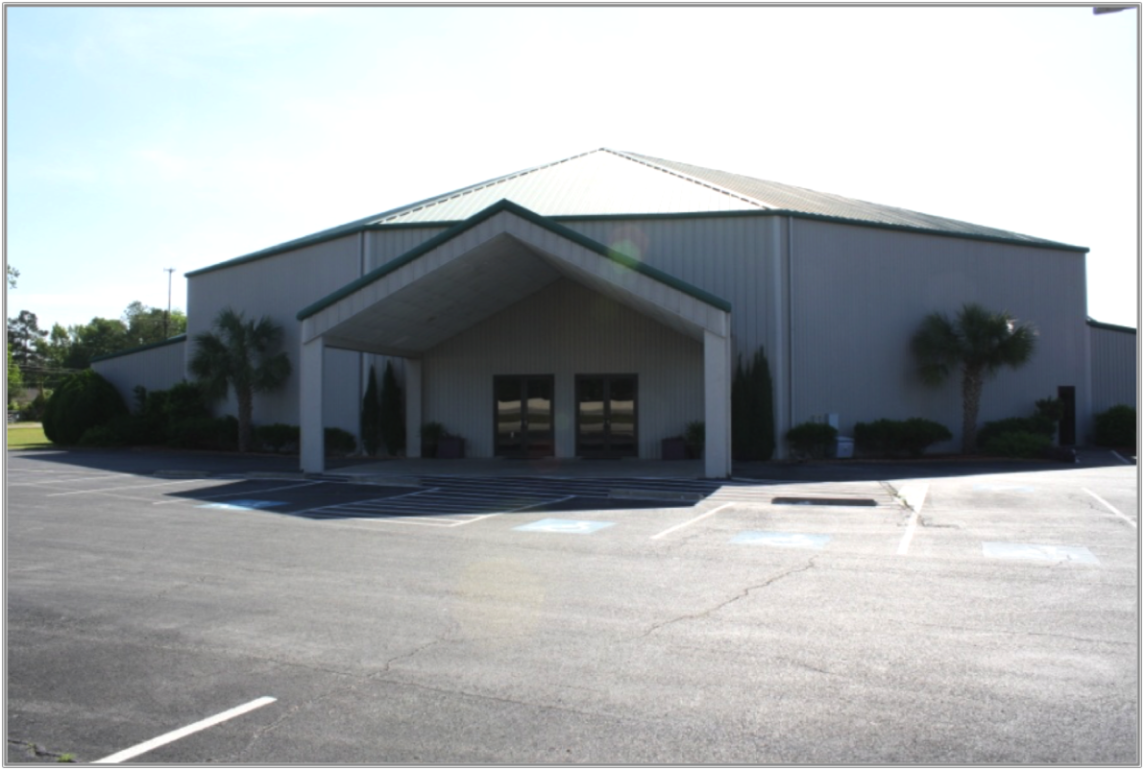
Church and Religious Building Roofing in Corpus Christi, TX
Commercial roofing for churches, houses of worship, and religious facilities.
Corpus Christi's Gulf Coast location makes roofing one of the most consequential maintenance decisions a congregation can make, and few local churches understand this better than Corpus Christi Cathedral, the historic Roman Catholic cathedral whose towering nave has weathered generations of tropical storms rolling in off the Gulf. When a congregation of that scale undertakes a roofing project, every decision carries weight — from the materials chosen to the scheduling window selected — and the same holds true for Baptist fellowships, nondenominational campuses, and smaller parish communities throughout the Coastal Bend.
Large clear-span church roofs present engineering challenges that set them apart from nearly every other commercial roofing project. A worship sanctuary may cover 15,000 to 40,000 square feet of uninterrupted interior space with no load-bearing columns to break up the span. Every penetration, every seam, every flashing detail must perform flawlessly because even a minor leak migrates horizontally along the roof deck before finding a path downward, often appearing far from its origin and causing disproportionate damage to finished ceilings, pew upholstery, pipe organs, and audio-visual equipment worth hundreds of thousands of dollars.
The Gulf Coast climate dictates material selection in ways that inland congregations rarely confront. Corpus Christi sits squarely in hurricane country — the city has taken direct hits from major storms and endures annual hurricane seasons that can bring sustained winds exceeding 100 miles per hour, heavy rainfall measured in inches per hour, and storm surge that saturates soil and stresses every above-grade structure. Church roofing systems in this market must carry wind-uplift ratings appropriate for ASCE 7 exposure categories B and C, and the fastening patterns, membrane overlaps, and edge metal details should exceed minimum code requirements rather than merely meet them.
Corpus Christi also contends with intense UV radiation, salt-laden marine air, and thermal cycling that degrades adhesives and sealants faster than in drier inland climates. TPO and PVC single-ply membranes have proven themselves in coastal Texas applications because their heat-welded seams resist the salt air corrosion that can compromise adhesive-bonded systems over time. Standing seam metal roofing is another strong performer for sanctuary structures where the architectural profile matters to the congregation's building committee, provided the substrate and underlayment systems are correctly specified for the coastal environment.
Scheduling is a pastoral as much as a logistical concern. Most Corpus Christi congregations cannot tolerate disruption to Sunday morning worship, Wednesday evening programming, or weekday ministries that may include food pantries, daycare centers, and counseling offices. The practical window for major roof replacement on an occupied church campus is therefore compressed into summer months — typically June through August — when attendance dips and midweek programming slows. Contractors who understand church culture will coordinate access routes that avoid fellowship halls during active programs and will establish clear noise-cutoff windows so that small group meetings and pastoral counseling sessions are not disrupted by the mechanical sounds of membrane welding equipment overhead.
Capital campaign and budget cycle realities shape every church roofing engagement. Congregations rarely hold unrestricted reserves large enough to fund a roof replacement outright; instead, they work through finance committees, deacon boards, or building and grounds committees whose approval processes can span months. A roofing contractor who can produce a thorough written assessment, phased project options, and clear return-on-investment documentation — particularly around energy savings from reflective roof systems in the South Texas heat — will stand out to committee members who are accountable to their congregation for how donor funds are spent.
Denominational structures add another layer to the decision-making process for some Corpus Christi churches. Churches affiliated with the Southern Baptist Convention, the Catholic Diocese of Corpus Christi, or mainline Protestant denominations may have facility standards, approved contractor lists, or insurance requirements set at the regional or national level. Understanding these structures — and being prepared to provide documentation that satisfies both local and denominational requirements — signals professionalism to church administrators who navigate those relationships daily.
Energy performance matters especially in South Texas, where cooling loads are substantial for nine or more months of the year. A reflective white TPO membrane can reduce rooftop surface temperatures by 50 to 80 degrees Fahrenheit compared to a dark built-up system, meaningfully cutting the cooling load on an older HVAC system that may already be working at capacity during summer revival weeks and holiday services. Coupling a new membrane system with added insulation — particularly where aging fiberglass or perlite board has compressed over decades — can produce energy savings that finance committees find genuinely persuasive when evaluating project economics.
Post-storm inspection protocols are another service dimension that resonates with Corpus Christi church leadership. The ability to respond quickly after a named storm, document hail and wind damage accurately for insurance purposes, and shepherd a congregation through the claims process transforms a roofing contractor from a vendor into a trusted facility partner. Churches that experience a smooth, well-documented claim are far more likely to maintain that contractor relationship for the decades-long lifespan of the new system.
Send the roof location, leak photos, access notes, and decision timeline. We will start with the roof evidence and keep the scope tied to what can be verified.
What We Document
Membrane, seams, laps, edges, drains, scuppers, curbs, penetrations, rooftop units, and previous repairs.
Salt-air corrosion, wind exposure, ponding, blocked drainage, wet insulation clues, and interior leak evidence.
The practical split between immediate repair, maintenance, restoration review, recover planning, and replacement budgeting.
Daily dry-in expectations and closeout photos for ownership review.