
Bank & Financial Building Roofing roof access, staging space, and tenant or operations limits.
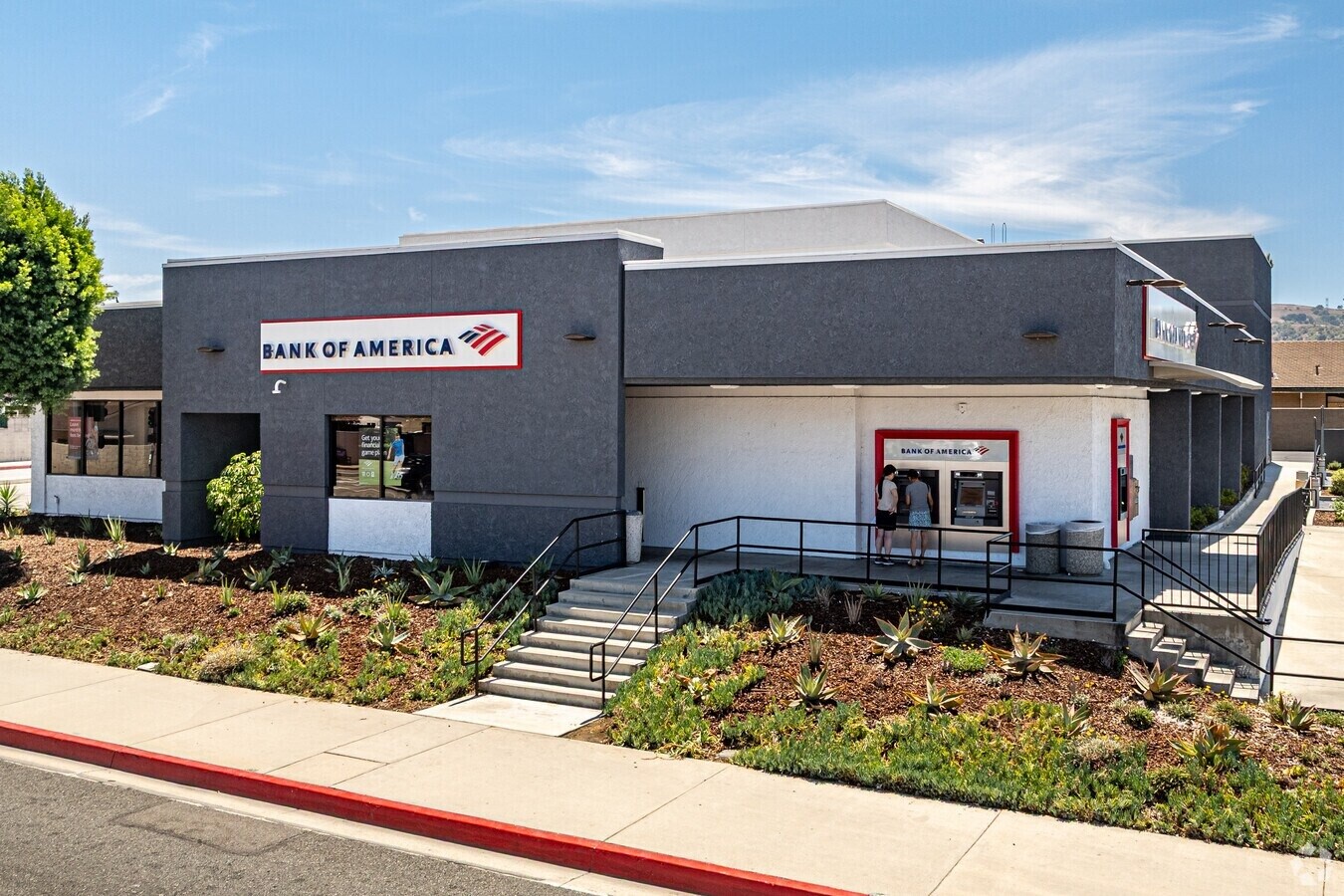
Bank & Financial Building Roofing in Corpus Christi, TX
Bank roofs are small, but they are watched. A branch sitting on a hard corner along South Padre Island Drive, a credit union near La Palmera, or a financial office in the downtown core puts its roofline in full public view, and what is underneath it — vaults, server rooms, a teller line full of customers — turns an ordinary leak into a business interruption. These are low-square-footage projects with high-stakes details, and they get scoped that way.
A Lot of Roof Problems on a Small Footprint
A branch bank looks like one of the simplest commercial roofs in Corpus Christi until you actually walk it. Packed onto that small flat deck you typically find a drive-through canopy tying into the building, an ATM enclosure, a generator and its transfer-switch room venting through the roof, and precision cooling units keeping the server and data closet within tolerance. Each is a separate flashing condition, and each is sitting over something that does not tolerate water. We map all of it on the first walk so nothing gets rolled into a vague field-membrane number and then leaks a year later.
The single most common chronic leak on a Corpus Christi bank branch is the drive-through canopy. That canopy ties into the main wall and moves independently of it — thermal cycling all day, vehicle and wash overspray, and differential settlement between two structures that were never going to move together. A standard wall-transition detail does not survive that long term. We pull the canopy-to-building connection out as its own scope item, evaluate it separately, and re-flash it with a detail built for that movement. Replacing the field membrane and ignoring the canopy is how a branch keeps leaking after a full reroof.
Financial buildings come with access rules most commercial properties do not. Contractor badging, escorts for anyone working near vault-adjacent space, and camera documentation of crew activity are standard at bank-owned properties here. None of that is a surprise we discover after mobilizing — we build the credentialing and security-coordination timeline into the bid up front, so the schedule and the price already reflect it. Where the drawings show a vault or a secure room below, we identify those zones first, sequence work over them into approved windows, and confirm with the institution's security team that vibration or temporary access changes will not touch active operations.
A branch runs strict hours and can't have a tear-off going while customers are at the counter. We concentrate the loud, open-deck work into off-hours and weekends, and we confirm the roof is dried in and watertight before the doors open each morning. Work windows, noise limits during customer-facing hours, and any escort requirements for roof access are worked out with the branch manager and the corporate facilities contact before the crew shows up. Zones over the vault, the cash-handling area, and the server room are treated as zero-tolerance and closed up tight at the end of every shift.
Single Branches and Portfolio Programs
Many institutions in Corpus Christi run multiple branches under one corporate real-estate group, and national banks bring preferred-vendor programs, standardized scope formats, and account pricing structures. We work inside those for portfolio accounts and just as readily with community banks and credit unions managing one building at a time. The documentation is consistent either way: insurance and license verification before mobilization, a pre-construction safety plan, daily work and dry-in reports, manufacturer warranty registered to the owner, and a final permit and inspection package — with a single project-management point of contact for the facilities team on multi-site work across the region.
Coastal Exposure on a High-Visibility Roof
Corpus Christi's salt air is hard on the bright edge metal and coping that give a bank branch its clean curbside look, and hurricane season from June through November makes wind uplift a real design factor even on a small roof. We specify edge securement and membrane attachment for coastal exposure and document the roof's storm readiness, so a high-visibility branch does not end up with peeled edge metal facing the street after the first Coastal Bend windstorm.
Storm Damage and the Documentation Trail
When wind or hail moves through the Coastal Bend, a bank's roof becomes both a repair job and a paperwork problem. Corporate real-estate departments and their insurers want a defensible record before they release funds, and a branch can't simply close while that gets sorted out. We document storm damage the way a financial institution needs it documented — dated photos, mapped damage by roof zone, a clear separation between cosmetic marks and conditions that actually threaten the membrane or the interior below. Where a leak is already active over a vault, a cash room, or the data closet, we stabilize and dry it in immediately so the branch keeps running, then build the longer-term scope around the verified evidence rather than rushing a full replacement that the claim may not support. We do not invent damage, promise a claim outcome, or write warranty language ahead of the facts; the file stays tied to what is actually on the roof, which is exactly what a careful facilities manager wants to hand their carrier.
Bank & Financial Building Roofing Questions
Open-deck tear-off and installation are concentrated in off-hours and weekends, and the roof is confirmed dried in before the branch opens each morning. Work windows, noise limits during customer-facing hours, and any roof-access escort requirements are set with the branch manager and corporate facilities team before mobilization.
The canopy ties into the main wall but moves independently — daily thermal cycling, wash overspray, and differential settlement — and a standard transition detail can't hold up to that. We scope the canopy-to-building connection separately and re-flash it with a detail built for that movement. Replacing the field membrane alone leaves the most common branch leak unsolved.
Yes, with pre-coordination. We locate vault and secure rooms from the drawings before mobilizing, sequence the roof zones above them into approved windows, and confirm with the security team that vibration and temporary access changes won't affect active operations. Those zones are kept watertight at the end of every shift.
We build contractor badging, vault-area escorts, and camera-documented activity into the bid schedule and crew credentialing from the start. These are baseline requirements at financial properties, not change orders that appear after the contract is signed.
Yes. We run portfolio programs for regional and national institutions with standardized scoping, documentation, and pricing across sites, and a single project-management contact for the corporate facilities team — and we work directly with community banks and credit unions on individual buildings the same way.
What We Document
Membrane, seams, laps, edges, drains, scuppers, curbs, penetrations, rooftop units, and previous repairs.
Salt-air corrosion, wind exposure, ponding, blocked drainage, wet insulation clues, and interior leak evidence.
The practical split between immediate repair, maintenance, restoration review, recover planning, and replacement budgeting.