
Mixed-Use Development Roofing roof access, staging space, and tenant or operations limits.
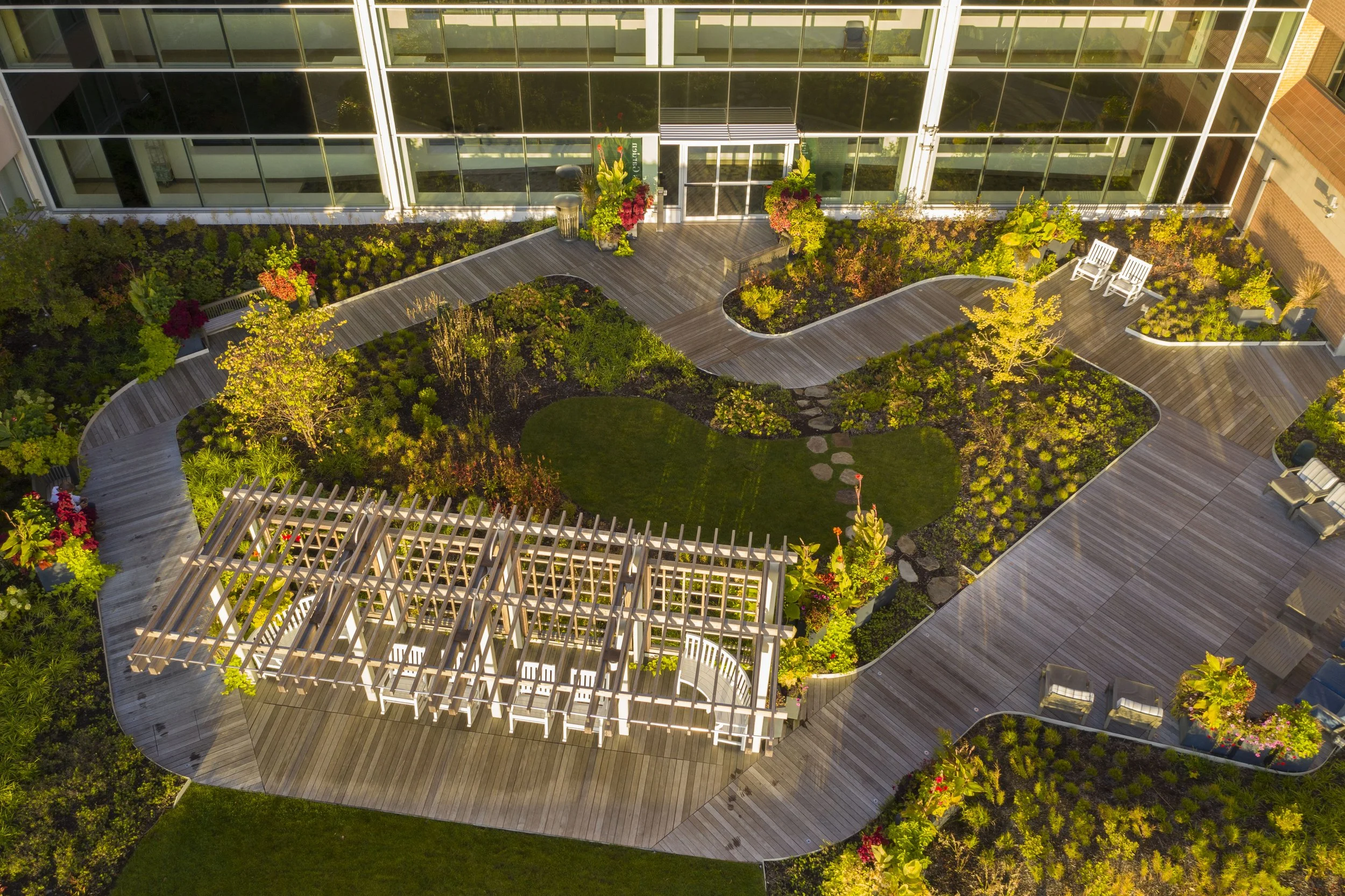
Mixed-Use Development Roofing in Corpus Christi, TX
A mixed-use building is really several buildings stacked on one footprint, and the roofing reflects that. The shops and restaurants drawing foot traffic toward the bayfront and the Marina Arts District, the apartments filling in around downtown and along the SPID corridor, and the parking tucked underneath all share a structure — but they do not share a single roof condition. Treating the whole thing as one flat plane is how mixed-use roofs leak into a tenant's living room.
One Building, Several Roof Conditions
On a Corpus Christi mixed-use project you can have retail at grade, offices on the middle floors, residential units up top, and structured parking woven into the base — each with its own occupancy hours, its own mechanical loads, and a very different cost of failure. A leak over a stockroom is an inconvenience. The same leak over a leased apartment or a restaurant dining room is a displaced tenant and a liability claim. We scope these projects vertically, walking how the uses stack and where the wet areas, the kitchens, and the occupied spaces sit, before we ever talk membrane.
The work that separates this category from ordinary commercial roofing is the coordination. On a mixed-use job we are working alongside the general contractor, the mechanical and plumbing trades, the structural engineer, and often a building-envelope consultant at the same time. Submittals, manufacturer technical approval, and the mock-ups that architects require on these buildings are routine for us, not surprises that stall the schedule.
Podium Decks Are Waterproofing, Not Roofing
The most misunderstood surface on any mixed-use building is the podium — the deck that separates retail or parking below from residential or plaza space above. That is a waterproofing assembly, not a roof, and the distinction is not academic. A podium deck carries pedestrian and sometimes vehicle traffic, takes constant structural deflection as the building moves, holds standing water around planters, and has to resist root intrusion where there is landscaping. It needs a traffic-bearing membrane, a drainage composite, root barriers, and an insulation load path worked out with the structural engineer. Drop an ordinary low-slope roofing membrane onto a plaza deck and it fails within a few years, usually after the finishes are already installed on top of it and a repair means tearing all of that back out.
Upper Roofs, Parapets, and Amenity Decks
The uppermost roof on a residential mixed-use building brings its own list: tall parapets that have to drain and resist Gulf wind, mechanical penthouse and elevator-overrun flash-throughs, and increasingly a rooftop amenity deck where residents actually gather. An amenity deck gets the same treatment as a podium — a traffic-bearing waterproofing assembly under the pavers or finish, installed and warranted in step with the deck-finish contractor — because residents will be standing on it, not just a maintenance tech twice a year. We coordinate every one of these conditions so the warranties line up instead of leaving seams between scopes where responsibility gets murky.
Working Over Occupied Tenants in the Urban Core
Most mixed-use reroofing in Corpus Christi happens with people living and shopping in the building. That drives a phasing plan built before mobilization: noise and dust controls, work sequenced over occupied units in defined windows, and elevator and common-area access coordinated with property management so residents and retail tenants are not boxed out. Downtown staging is tight, so material landing and crane picks get planned around the street and the ground-floor storefronts. Every work area is dried in and confirmed watertight in writing before the crew leaves — we do not demobilize over an open deck with an apartment underneath it.
Coastal Conditions and Warranty Coordination
Corpus Christi's Gulf exposure means salt air on the rooftop metal, intense UV, and hurricane-season wind from June through November. On a multi-roof mixed-use building that means edge securement and uplift design have to be consistent across the low-slope field, the podium, and the amenity deck, and the storm-readiness documentation has to cover all of them. Lenders and developers on these projects expect a clean closeout package — reviewed submittals, QC inspection reports, manufacturer rep sign-offs at the critical phases, and warranty registration in the owner's name. We work inside that framework from pre-construction through final inspection.
Mixed-Use Development Roofing Questions
A podium deck sits over occupied or parked space and carries foot or vehicle traffic, structural movement, standing water at planters, and root pressure where there is landscaping. It needs a traffic-bearing waterproofing assembly with drainage composite and root barriers, coordinated with the structural engineer — not a standard low-slope membrane, which fails quickly once it is buried under finishes.
With a phasing plan written before we mobilize. Work is sequenced over occupied units in defined windows, noise and dust are contained, and elevator and common-area access stays coordinated with property management. Downtown staging and crane picks are planned around the street and storefronts, and every area is dried in and confirmed watertight before the crew leaves.
Yes. Amenity decks get a traffic-bearing waterproofing assembly under the pavers or finish surface, installed and warranted in coordination with the deck-finish contractor and the structural engineer of record. They are treated like a podium because residents stand on them, not like an ordinary roof a tech visits twice a year.
We coordinate the low-slope field, the podium, and any amenity decks as one program so the systems tie together cleanly and the warranties line up. Closeout includes reviewed submittals, QC inspection reports, manufacturer rep sign-offs at critical phases, and registration in the owner's name, so there are no gaps in responsibility between scopes.
That is the normal way these jobs run for us. We work alongside the general contractor, the mechanical and plumbing trades, the structural engineer, and the building-envelope consultant at once, and we move through the submittal, mock-up, and testing process the architect and owner specify without holding up the schedule.
What We Document
Membrane, seams, laps, edges, drains, scuppers, curbs, penetrations, rooftop units, and previous repairs.
Salt-air corrosion, wind exposure, ponding, blocked drainage, wet insulation clues, and interior leak evidence.
The practical split between immediate repair, maintenance, restoration review, recover planning, and replacement budgeting.
Daily dry-in expectations and closeout photos for ownership review.