
Funeral Home & Mortuary Roofing roof access, staging space, and tenant or operations limits.
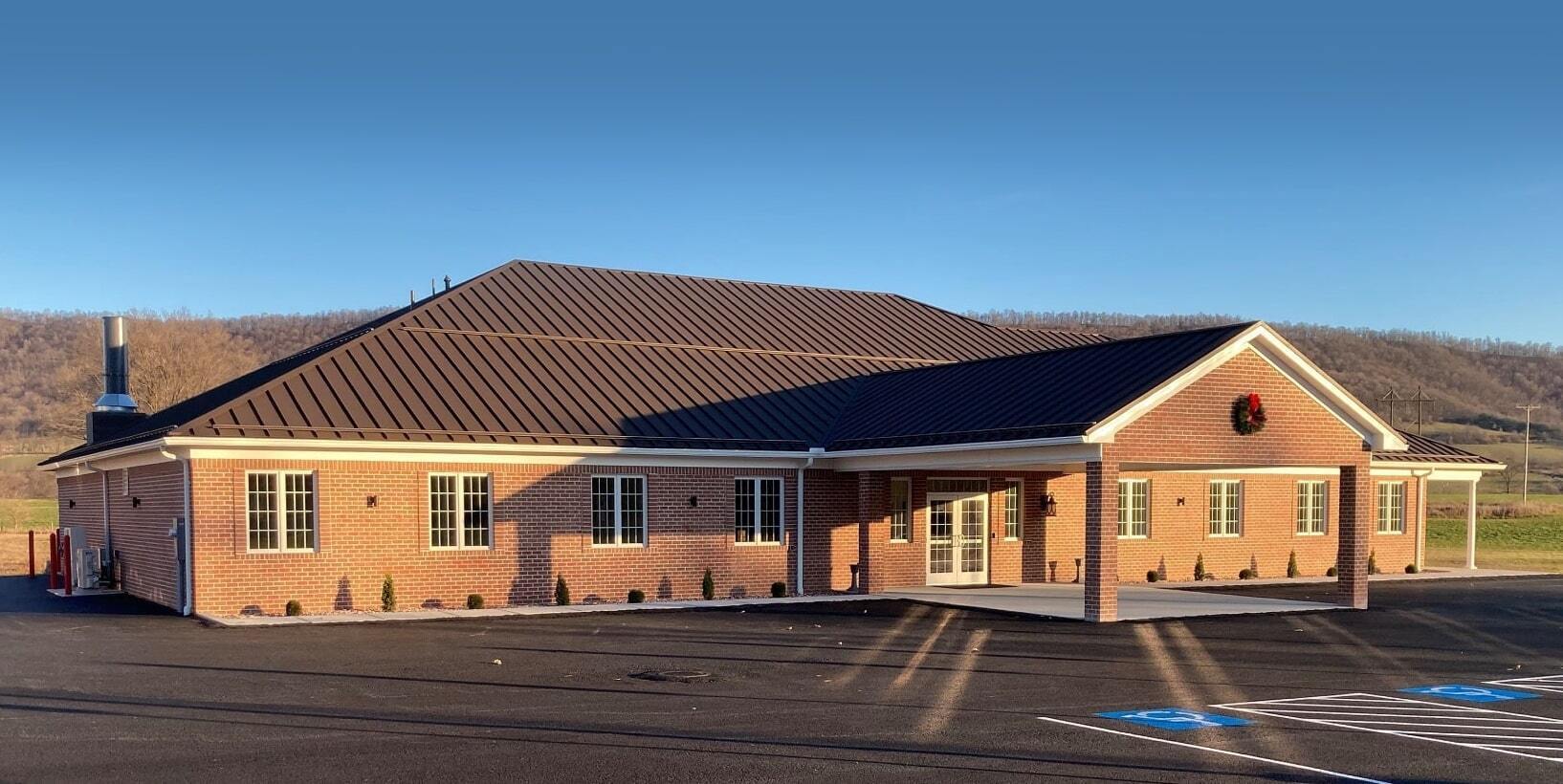
Funeral Home & Mortuary Roofing in Corpus Christi, TX
A funeral home is one of the few commercial buildings where the roof has to disappear from notice entirely. Families arriving for a visitation on Everhart Road or a graveside-bound service near the older funeral homes along Staples Street should never hear a hammer, smell a kettle, or see a tarp flapping over the porte-cochere. We build our schedule around that reality first and the roof work second.
Why Corpus Christi Funeral Homes Need a Different Roofing Approach
The funeral profession runs on a calendar nobody controls. A death call can fill the chapel with two days' notice, and a building that looked free for a week of tear-off suddenly has a service Thursday morning and a rosary Wednesday night. Across the Coastal Bend — from the established south-side neighborhoods to the growing Calallen and Annaville areas where newer facilities have opened to serve those communities — we treat the funeral director's calendar as the controlling document for the whole project. Before a single fastener is pulled, we sit down with that calendar and map work zones, noise windows, and staging routes around scheduled visitations and services.
Most funeral homes here are family names that have served the same families for two and three generations. Reputation is the entire business. A contractor's truck blocking the family entrance, a crew eating lunch in view of mourners, or debris in the memorial garden does real damage to that reputation. Our crews work a funeral home the way they would work a hospital chapel: quiet, screened from view, and out of the building's dignified areas during any gathering.
The Preparation Room Changes the Whole Roof Plan
What separates a mortuary roof from an ordinary office roof sits in the back of the building. The preparation and embalming room runs under negative pressure, with a dedicated rooftop exhaust pulling formaldehyde and other vapors out continuously. That fan cannot stop while staff are working, and the stack cannot be capped, blocked, or relocated for convenience the way a bathroom vent might be. We locate that exhaust on our first walk, build the flashing detail around it as its own line item, and confirm with the director that it stays live during any work within reach of it. If the membrane tie-in genuinely requires the fan to pause, that happens on the director's terms, during a confirmed gap with no remains in the building.
Refrigeration for the holding room is the second concern most owners forget about until a leak appears. A drip over a cooler or over the prep table is not a ceiling-tile problem — it is a problem that can shut the room down. We treat the roof zones above those rooms as zero-tolerance areas and confirm they are fully watertight before we leave each day.
Chapels, Canopies, and Aging Decks
The chapel is usually the architectural heart of the building and often the toughest roof. Funeral home chapels frequently span 40 to 60 feet with no interior columns, the same clear-span condition we deal with on church sanctuaries. Wide spans flex and they catch wind uplift, so the fastening pattern and membrane attachment have to be specified to the actual deck and span, not pulled from a generic detail. Many of the older funeral homes in Corpus Christi sit under built-up roofs on wood or lightweight concrete decks that have been patched for decades. We core-sample and run a moisture survey before anyone talks about recovering versus tearing off, because wet insulation hiding under a surface that still sheds water is the rule on these buildings, not the exception.
The porte-cochere over the main entrance is the other recurring trouble spot. That covered drive sees constant thermal movement where it ties into the main wall, and a slow leak there drips directly onto arriving families. We pull the canopy transition and its drainage out as a separate scope item on every funeral home inspection rather than burying it inside the field membrane price.
Coastal Weather and the Gulf Air
Corpus Christi sits on the Gulf, and the salt air works on rooftop metal here in a way it does not inland. Edge metal, coping, fastener heads, and HVAC cabinets corrode faster, and hurricane season from June through November means wind uplift is a design load, not a footnote. We specify edge securement and membrane attachment for coastal wind exposure and document the roof's storm readiness so the funeral home has a clean baseline if a named storm files through the Coastal Bend.
Funeral Home & Mortuary Roofing Questions
We work from the funeral director's calendar, not our own. Scheduled services and visitations are blocked off in advance, the crew clears the chapel and entry areas before any gathering, and noisy operations are sequenced to the open windows in between. The director gets a daily plan and confirms it, and the roof is dried in before the building opens for evening hours.
It keeps running. The prep-room exhaust maintains the negative pressure that contains chemical vapors, so we locate the stack first, detail the flashing around it as a standalone item, and confirm continuous operation during nearby work. Any pause happens only on the director's schedule, during a confirmed window with no remains in the building.
For most flat-roof funeral homes we specify a 60-mil membrane over tapered polyiso so water is actually driven to the drains instead of ponding on a dead-level deck. Edge metal and securement are specified for coastal wind exposure. On clear-span chapel decks we confirm the deck type and load capacity before settling on insulation thickness and the fastening pattern.
We plan it not to be. Staging and material loading are routed away from the family entrance and memorial areas, crews stay out of public sightlines, and the loudest work is scheduled into gaps when no service or visitation is underway. Discretion is part of the scope, not an afterthought.
Yes to both. The porte-cochere transition and its drainage are scoped separately because that tie-in is a common chronic leak that drips onto arriving guests. Roof zones over the holding-room refrigeration and the prep area are treated as zero-tolerance and confirmed watertight before we leave each day.
What We Document
Membrane, seams, laps, edges, drains, scuppers, curbs, penetrations, rooftop units, and previous repairs.
Salt-air corrosion, wind exposure, ponding, blocked drainage, wet insulation clues, and interior leak evidence.
The practical split between immediate repair, maintenance, restoration review, recover planning, and replacement budgeting.
Daily dry-in expectations and closeout photos for ownership review.