
DST Roofing Services roof access, staging space, and tenant or operations limits.
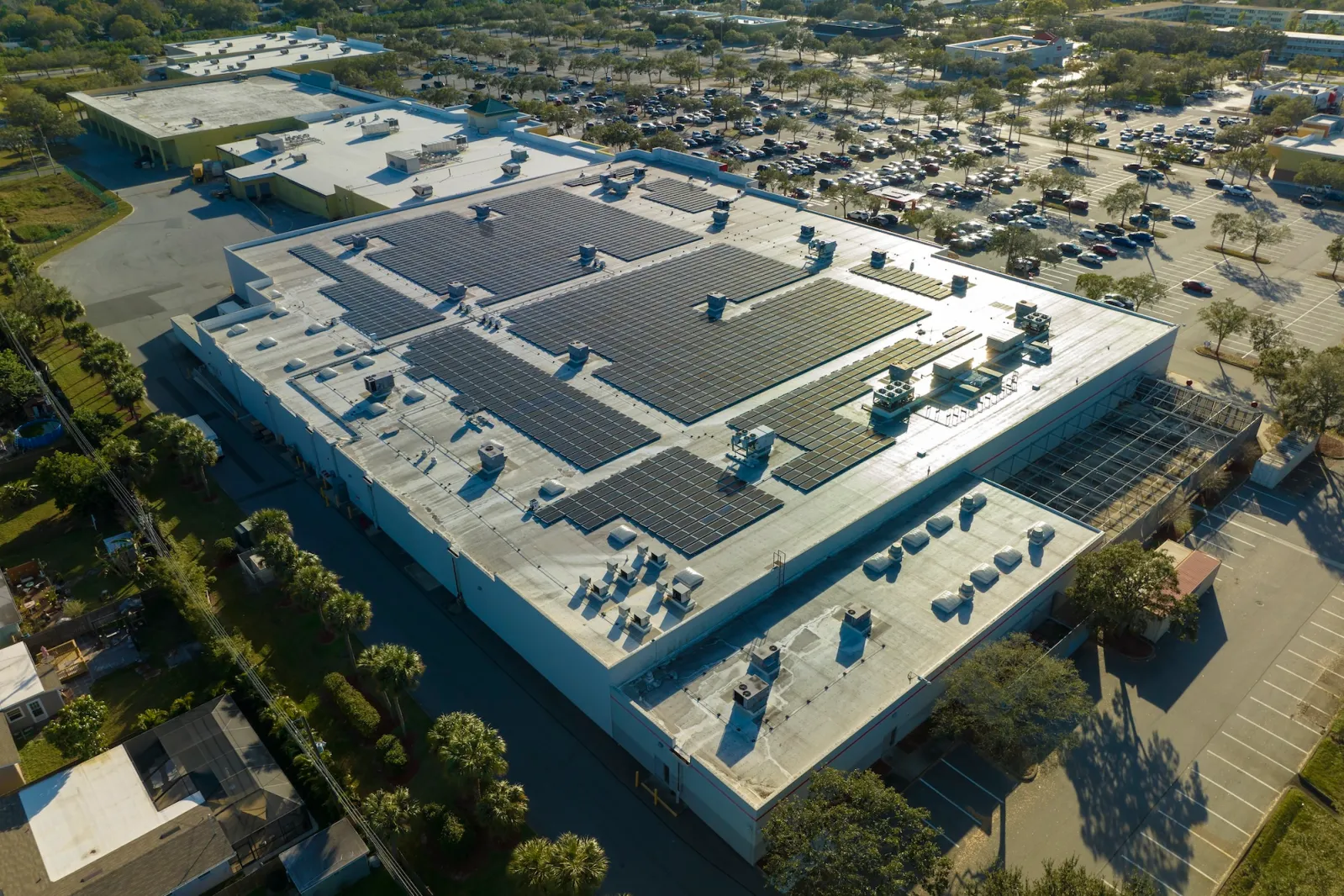
DST Roofing Services in Corpus Christi, TX
Commercial roofing for Delaware Statutory Trust properties and 1031 exchange investment portfolios.
Corpus Christi presents a focused but strategically compelling DST acquisition profile, with sponsors targeting NNN retail along South Padre Island Drive and SPID corridor, industrial and petrochemical-adjacent flex space near the Port of Corpus Christi, and medical office buildings tied to the Christus Spohn and Bay Area Regional Medical Center campuses. Equity aggregators syndicating 1031 exchange capital for South Texas acquisitions — including groups operating through the Texas-based DST community centered in Houston and Dallas — routinely close on Corpus Christi assets from offices hundreds of miles away, relying entirely on local contractors and property managers for physical asset oversight in a market defined by Gulf Coast climate exposure that no remote dashboard can adequately capture.
DST due diligence for Corpus Christi properties operates under real time pressure, and the 1031 exchange window amplifies the cost of slow-moving inspection services. A sponsor who identifies a SPID-corridor retail center or a North Padre Island commercial building during the 45-day identification period and needs to close within 180 days cannot afford a contractor who takes three weeks to schedule and another two to deliver a usable report. Contractors who understand DST transaction requirements — who can deploy within 48 hours and deliver a formatted written condition report within five business days — are genuinely scarce in smaller Texas coastal markets, which makes finding and establishing that relationship before the deal pipeline requires it an urgent pre-deal priority for any Corpus Christi DST sponsor.
Gulf Coast hurricane exposure is the defining climate risk for Corpus Christi DST properties, and it is a risk that out-of-state operators consistently assess incorrectly until they experience it firsthand. Corpus Christi sits directly in the Gulf Coast hurricane strike zone — Hurricane Harvey in 2017 produced catastrophic damage across the metro, and the city has experienced multiple direct strikes and near-miss events in the past two decades. A flat commercial roof on a SPID retail pad or a North Corpus industrial building carries hurricane wind-uplift exposure that inland DST operators have no practical framework for. Membrane securement, edge metal detail, and parapet wall height are the difference between a roof that survives 120-mph wind gusts and one that does not.
Capital reserve calculations for Corpus Christi DST offerings must account for hurricane event probability over the hold period. A five-to-seven year hold in this market carries a material probability of at least one significant storm event that tests the roof system. An offering memorandum that reserves $45,000 against a 35,000-square-foot retail center without a specific hurricane damage contingency is presenting an incomplete risk picture to investors. A local contractor who has assessed post-hurricane roof damage in this market, who knows which membrane types and securement patterns survived recent Gulf Coast events and which failed, produces reserve figures with credibility that a national benchmark calculator cannot match.
The DST passive structure creates specific operational vulnerabilities in Corpus Christi that hurricane-zone markets amplify. When a Gulf system moves into the Texas coast, the sequence of events is compressed: a storm forms in the Gulf, makes landfall in 24 to 72 hours, and leaves behind damaged commercial properties that compete for limited contractor capacity in the immediate aftermath. A DST trustee managing a Corpus Christi property from a Houston or Dallas office who has no pre-established local contractor relationship will join the back of a very long line for post-storm roofing services. The trustee who has a signed maintenance agreement, a documented emergency protocol, and a contractor who has the property file on hand will get a response call within hours of the storm passing.
Corpus Christi's commercial real estate DST inventory reflects the city's economy: petrochemical and port-adjacent industrial assets, healthcare-anchored medical office, and the NNN retail infrastructure serving a metro of approximately 350,000 residents. Industrial and flex space near the Port of Corpus Christi — one of the busiest ports in the United States by tonnage — is particularly active in the DST deal pipeline. These assets often have older roof systems installed during the 1990s and early 2000s industrial development cycle, with membrane conditions that reflect Gulf Coast UV exposure and the salt-air environment that accelerates metal component corrosion and EPDM polymer oxidation in ways that no inland benchmarking accounts for.
A roof failure during a Corpus Christi DST hold carries financial consequences that the Gulf Coast climate can amplify dramatically. A moderate storm event that would cause minor membrane damage in an inland market can cause full membrane displacement in Corpus Christi if edge metal and securement are inadequate. If a storm-damaged roof allows water intrusion at a medical office building or retail center, the remediation cost — including tenant disruption, potential mold assessment requirements in South Texas's high-humidity post-storm environment, and contractor premium pricing during post-storm demand spikes — can easily reach multiples of a pre-storm repair cost. The investor relations impact of a distribution suspension triggered by storm damage compounds if investors learn that the roof was inadequately reserved before close.
Out-of-state DST sponsors managing Corpus Christi properties are operating in a market where physical distance from the asset creates genuine blind spots. The salt-air corrosion of metal flashing components, the UV degradation of membrane surfaces under South Texas sun exposure, the drainage performance of flat commercial roofs during tropical moisture events — none of these conditions are legible from a property management report reviewed in a Dallas office. A local Corpus Christi contractor who has inspected, maintained, and replaced commercial roofs across the SPID corridor and Port area brings environmental knowledge that is simply not transferable from a national property management framework.
The pre-close contractor engagement for a Corpus Christi DST acquisition should address hurricane exposure directly. The inspection should document edge metal condition, parapet wall height and cap flashing integrity, membrane securement pattern, and any prior storm damage and repair history. Reserve figures in the offering memorandum should reflect both normal-wear replacement trajectory and hurricane contingency probability over the hold period. A local contractor who has worked in Corpus Christi through multiple storm cycles can provide both pieces of that analysis — and the resulting offering memorandum documentation will be materially more credible to sophisticated 1031 exchange investors than a generic property condition report from a national engineering firm with no Gulf Coast operational history.
Send the roof location, leak photos, access notes, and decision timeline. We will start with the roof evidence and keep the scope tied to what can be verified.
What We Document
Membrane, seams, laps, edges, drains, scuppers, curbs, penetrations, rooftop units, and previous repairs.
Salt-air corrosion, wind exposure, ponding, blocked drainage, wet insulation clues, and interior leak evidence.
The practical split between immediate repair, maintenance, restoration review, recover planning, and replacement budgeting.