
Data Center Roofing roof access, staging space, and tenant or operations limits.
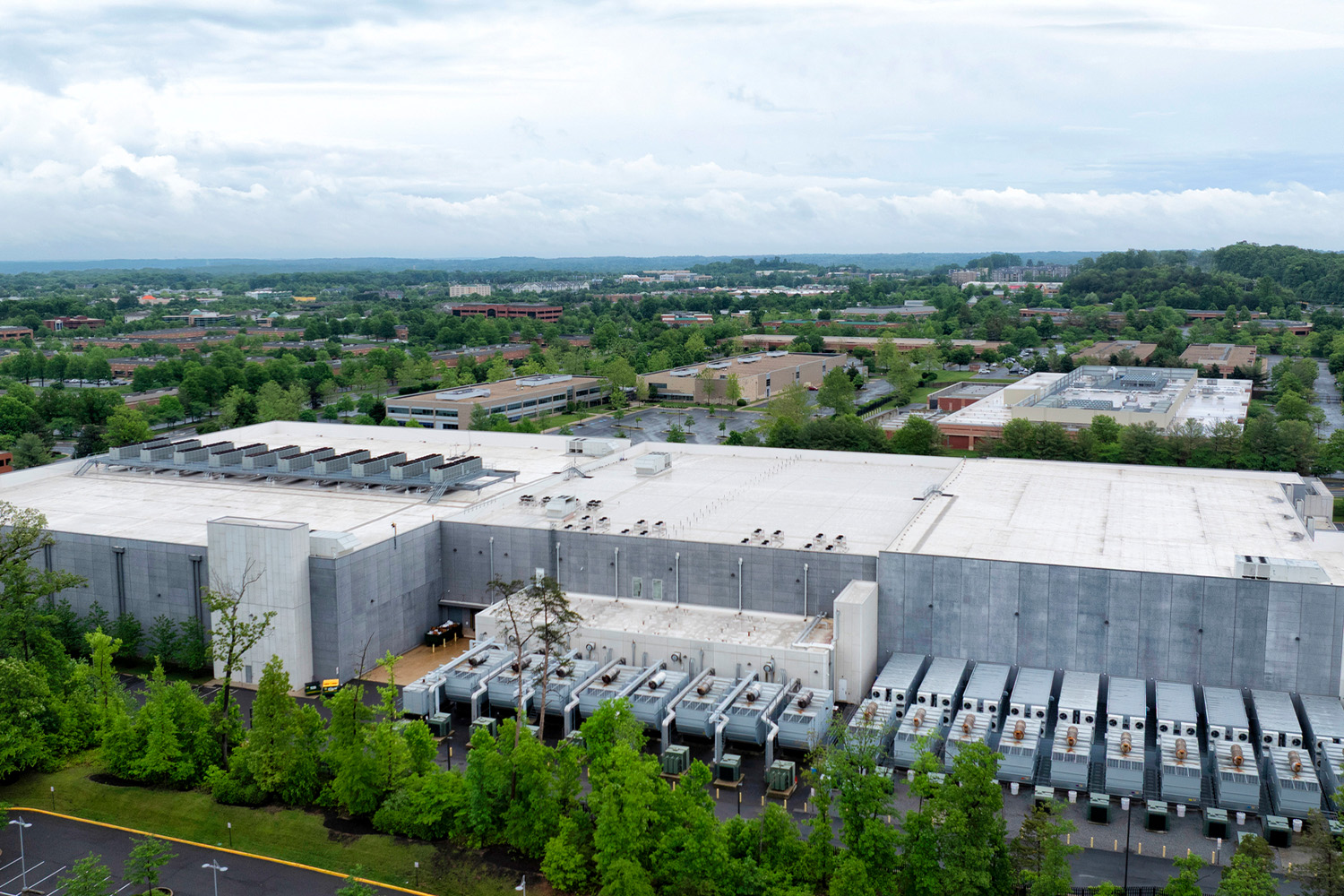
Data Center Roofing in Corpus Christi, TX
Commercial roofing scope for portfolio owners comparing roof condition, risk, and capital timing.
Corpus Christi, Texas occupies a specialized position in the South Texas data center landscape, shaped by the city's role as a major petrochemical and energy industry hub, its strategic position on the Gulf Coast, and its function as a regional connectivity center for the expansive South Texas and Rio Grande Valley markets. Energy companies operating in the Permian Basin and Eagle Ford Shale regions maintain significant computing infrastructure in Corpus Christi, including operational technology systems, SCADA networks, and enterprise data management platforms that require reliable, hardened facilities. AT&T and regional telecommunications providers maintain network infrastructure in the city that supports both commercial connectivity and the offshore energy industry's communication requirements.
Data center roofing in Corpus Christi is defined by the Gulf Coast climate environment — a subtropical coastal setting where heat, humidity, salt air, and hurricane risk combine to create one of the most demanding roofing environments in the country. CRAC and CRAH unit installations at Corpus Christi data centers operate against ambient conditions that test the limits of air-cooled refrigerant systems during summer months. Rooftop condenser units working in 95°F+ temperatures with high humidity face significantly reduced efficiency, and the salt-laden air off Corpus Christi Bay accelerates corrosion of aluminum condenser coils, copper refrigerant lines, and steel mechanical equipment components. Roofing systems at coastal Corpus Christi data centers must be selected with marine environment corrosion resistance in mind.
Hurricane risk is the dominant structural design consideration for Corpus Christi data center roofing. The city is situated directly on the Gulf Coast at a latitude that falls within the historical track of major Atlantic-Gulf hurricanes. Hurricane Harvey in 2017, while making landfall near Rockport north of Corpus Christi, demonstrated the catastrophic rainfall and wind potential of Gulf Coast storms. The Corpus Christi area has experienced direct landfalls from significant hurricanes, including Hurricane Celia in 1970 and near-misses from subsequent storms. Data center facilities in Corpus Christi must meet Texas coastal zone wind design requirements that significantly exceed inland standards, with roof assemblies engineered for sustained winds of 130 mph or greater depending on facility risk category.
The petrochemical and refinery concentration surrounding Corpus Christi creates a rooftop chemical environment that is more aggressive than most U.S. data center markets. Hydrogen sulfide, volatile organic compounds, and petrochemical particulates in the air can degrade certain roofing membrane formulations over time and cause premature corrosion of metal flashing components. Roofing contractors specifying materials for Corpus Christi data centers should verify chemical resistance of all membrane, flashing, and sealant components against the specific chemical exposure profile of the facility's location. PVC membranes, which offer superior chemical resistance compared to standard TPO, are specified at some Corpus Christi facilities located in immediate proximity to refinery or petrochemical operations.
CRAC penetration flashing at Corpus Christi data centers faces the combined challenge of high thermal cycling between hot outdoor ambient and cooled interior air and the marine corrosion environment. Stainless steel flashing components are preferred over galvanized or aluminum for facilities within the Coastal Barrier Resources Zone or within sight of the bay, as standard coatings degrade rapidly in the salt air environment. Refrigerant line penetrations require closed-cell pipe insulation to prevent condensation in the penetration throat, and the vapor barrier integrity of the insulation is critical given Corpus Christi's high outdoor dew points that persist for months at a time.
Generator exhaust infrastructure at Corpus Christi data centers must account for the coastal wind environment in exhaust stack design. Prevailing wind patterns off the Gulf can drive exhaust gases back toward rooftop air intakes on facilities that do not have sufficient stack height or proper exhaust dispersal geometry. Energy industry tenants at Corpus Christi data centers are often accustomed to the exhaust management protocols of industrial facilities and may specify exhaust stack designs that exceed commercial data center norms, incorporating engineered exhaust dispersal analysis as part of the building commissioning documentation.
TPO membranes with marine-grade formulations and additional UV stabilizers are the appropriate specification for Corpus Christi data center roofing. The intense South Texas solar radiation — Corpus Christi receives approximately 2,900 hours of sunshine annually — creates the highest UV loading in the Texas data center market, accelerating membrane degradation if standard inland formulations are specified. Reflective surface maintenance is important in Corpus Christi's climate; membrane surfaces subject to salt spray accumulation and algae growth lose reflective performance over time, and periodic cleaning programs that maintain SRI performance are a recommended maintenance practice. Drainage systems should be generously sized for the intense Gulf Coast rainfall events that can produce several inches of rain in a matter of hours.
Corpus Christi data center operators in the energy sector have driven a higher-than-average standard for roofing system documentation and maintenance practices, reflecting the engineering documentation culture of the oil and gas industry from which many of their tenants come. Detailed as-built drawings of roofing penetration locations, material certifications, installer qualifications, and third-party inspection reports are routine requirements on energy sector data center projects in Corpus Christi that may exceed the documentation standards common in other commercial markets.
What wind uplift standards apply to data center roofing in Corpus Christi?
Corpus Christi falls within ASCE 7 Wind Zone III or higher, with design wind speeds requiring substantially enhanced roof assembly attachment compared to inland Texas locations. Edge metal, coping caps, and insulation board fastening patterns must be engineered for the Corpus Christi coastal wind zone. All roof assemblies should be FM Global approved for the applicable wind uplift pressure, with edge metal systems carrying minimum FM 1-90 approval for exposed locations.
How does the marine environment affect roofing material selection at Corpus Christi data centers?
Salt air accelerates corrosion of standard galvanized metal components, aluminum flashings, and certain roofing system accessories. Coastal data centers should specify stainless steel or hot-dipped galvanized flashing components, aluminum-free or marine-rated accessories, and membrane systems verified for resistance to the salt and petrochemical exposure profile of the Corpus Christi environment. Annual inspection should include assessment of metal component corrosion progression.
How should Corpus Christi data centers prepare for hurricane season roofing risks?
Pre-hurricane season inspection (May) should verify that all edge metal, coping caps, perimeter flashings, and equipment anchor systems are fully secured. Any identified defects should be repaired before June 1. Emergency repair materials and contractor contact information should be maintained on-site. Post-storm inspection protocols should be established in advance, including criteria that trigger immediate emergency inspection if the facility experiences winds exceeding 60 mph.
What is the impact of petrochemical air quality on roofing systems near Corpus Christi industrial areas?
Hydrogen sulfide and VOC exposure from nearby refinery and petrochemical operations can degrade certain sealant and membrane formulations over time. PVC membranes generally offer superior chemical resistance to petroleum-based compounds compared to standard TPO. All sealants at penetrations should be specified as chemical-resistant types rated for the anticipated exposure. Annual inspection should include assessment for chemical degradation symptoms including embrittlement, discoloration, and surface crazing of sealants and membrane edges.
How are rooftop CRAC condensers maintained in Corpus Christi's corrosive environment?
Condenser coil corrosion is an accelerated maintenance concern in Corpus Christi's marine environment. Roofing contractors should ensure that condenser unit bases do not trap standing water against the curb flashing, as salt water pooling accelerates flashing corrosion. Annual inspection should include assessment of all condenser base flashings, refrigerant line penetrations, and the structural condition of condenser mounting rails and isolation pads.
Send the roof location, leak photos, access notes, and decision timeline. We will start with the roof evidence and keep the scope tied to what can be verified.
What We Document
Membrane, seams, laps, edges, drains, scuppers, curbs, penetrations, rooftop units, and previous repairs.
Salt-air corrosion, wind exposure, ponding, blocked drainage, wet insulation clues, and interior leak evidence.
The practical split between immediate repair, maintenance, restoration review, recover planning, and replacement budgeting.
Daily dry-in expectations and closeout photos for ownership review.