
School and K-12 Educational Building Roofing roof access, staging space, and tenant or operations limits.
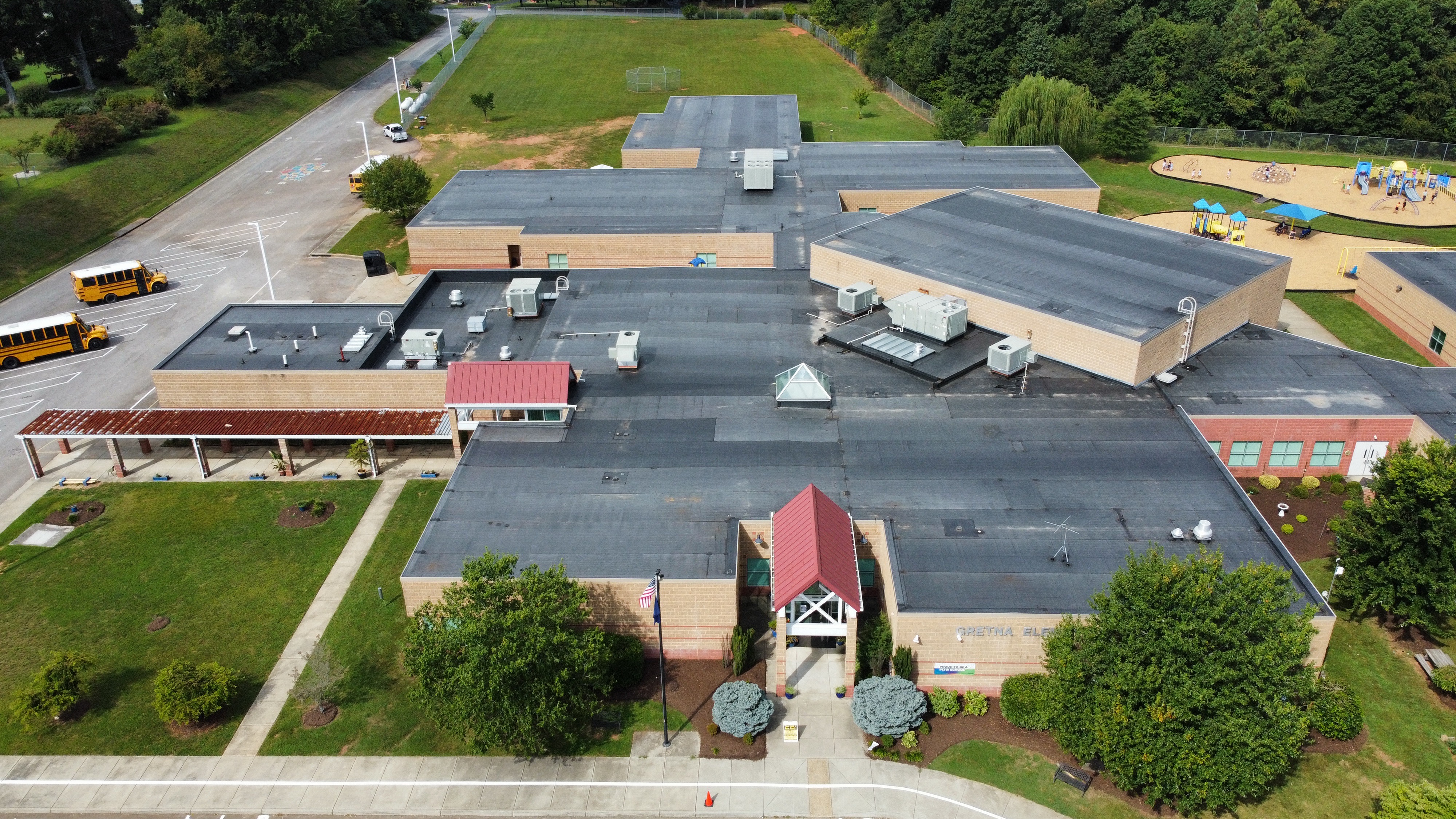
School and K-12 Educational Building Roofing in Corpus Christi, TX
Commercial roofing for K-12 schools, private academies, and educational campuses.
Corpus Christi Independent School District serves more than 36,000 students across dozens of campuses that span everything from early childhood centers in the city's historic neighborhoods to large high school complexes on the south side, and the roofing challenges across that portfolio reflect every dimension of what makes institutional K-12 roofing a distinct discipline from standard commercial work. CCISD's facilities team manages a building inventory that must survive Gulf Coast hurricane seasons, South Texas UV exposure, and the relentless budget pressures that characterize public school facility management in Texas.
Texas school district roofing projects are governed by a set of institutional requirements that distinguish them from private-sector commercial work from the very first conversation. Texas Education Agency facility standards, local bond program accountability requirements, and the public procurement requirements of Texas Government Code Chapter 2269 all shape how a district selects contractors, approves specifications, and manages project oversight. School districts that receive federal Title I funding carry additional federal procurement requirements that govern contractor selection, and districts with active construction bonds are typically accountable to bond oversight committees that require documented value for every dollar spent.
Summer scheduling is not a preference for CCISD roofing projects — it is a hard operational requirement. School campuses are occupied and actively programmed from late August through early June, and the safety implications of roofing work over occupied spaces are severe enough that most Texas school districts prohibit tear-off and replacement work on occupied buildings entirely. The construction window is effectively 10 to 12 weeks from mid-June to mid-August, and contractors who can mobilize quickly, maintain efficient crews, and manage multiple campus projects simultaneously are better positioned to serve large Texas districts than those accustomed to single-building project pacing.
Large institutional roof areas are the norm in Corpus Christi ISD projects. A high school in the district may have 150,000 to 250,000 square feet of rooftop area, including main classroom buildings, gymnasium complexes, cafeteria buildings, and administrative wings — each with its own drainage system, equipment penetration count, and system age profile. Condition assessments that document the true state of each building's roofing system, using infrared thermography to identify wet insulation and core sampling to verify deck condition, are essential planning tools for a district facilities director managing a multi-campus replacement program.
Gulf Coast hurricane exposure dictates material selection for CCISD in ways that distinguish South Texas school roofing from other Texas districts. Wind uplift resistance specifications must be developed with Corpus Christi's ASCE 7 exposure category in mind, and the edge metal systems, fastening patterns, and parapet flashing details that protect a school building during a tropical storm must be specified to exceed minimum code requirements rather than merely meeting them. A school campus that experiences significant roof failure during a hurricane event may be unable to open for the school year — a consequence whose economic and educational impact far exceeds the incremental cost of upgraded hurricane-resistant specifications.
Prevailing wage requirements are a significant consideration for Corpus Christi ISD roofing contracts. Texas Government Code Chapter 2258 requires contractors on public school construction projects to pay prevailing wages as determined by the Davis-Bacon survey for Nueces County. Contractors who are not experienced with prevailing wage compliance — including the certified payroll reporting requirements that accompany prevailing wage obligations — expose school districts to audit findings and potential project shutdowns. Verifying that a contractor's bid includes fully compliant prevailing wage pay rates for all covered workers is a due diligence step that CCISD procurement staff take seriously.
CCISD's roofing budget cycle is tied to the Texas state school funding calendar and, for capital projects, to the timing of voter-approved bond programs. Bond-funded roofing projects in Corpus Christi have typically been phased over multi-year programs that prioritize campuses by condition assessment rating, addressing the most critically deteriorated buildings first. Contractors who can work productively within phased multi-year programs — maintaining consistent quality across multiple construction seasons and building institutional knowledge of the district's standards and preferences — are valued long-term partners rather than one-off vendors.
Safety protocols on school campus roofing projects are more stringent than on most commercial job sites because of the proximity of students and staff during the periods before and after the primary construction window. Even during summer when students are not in the building, district summer school programs, staff professional development, and custodial operations continue on many campuses through July. Contractors must maintain clearly delineated work zones with appropriate barricading, maintain clean access routes for building staff and deliveries, and remove debris and waste materials promptly to prevent the safety hazards that sharp roofing debris poses to children and staff who may access the building perimeter.
Send the roof location, leak photos, access notes, and decision timeline. We will start with the roof evidence and keep the scope tied to what can be verified.
What We Document
Membrane, seams, laps, edges, drains, scuppers, curbs, penetrations, rooftop units, and previous repairs.
Salt-air corrosion, wind exposure, ponding, blocked drainage, wet insulation clues, and interior leak evidence.
The practical split between immediate repair, maintenance, restoration review, recover planning, and replacement budgeting.
Daily dry-in expectations and closeout photos for ownership review.