
Retail and Shopping Center Roofing roof access, staging space, and tenant or operations limits.
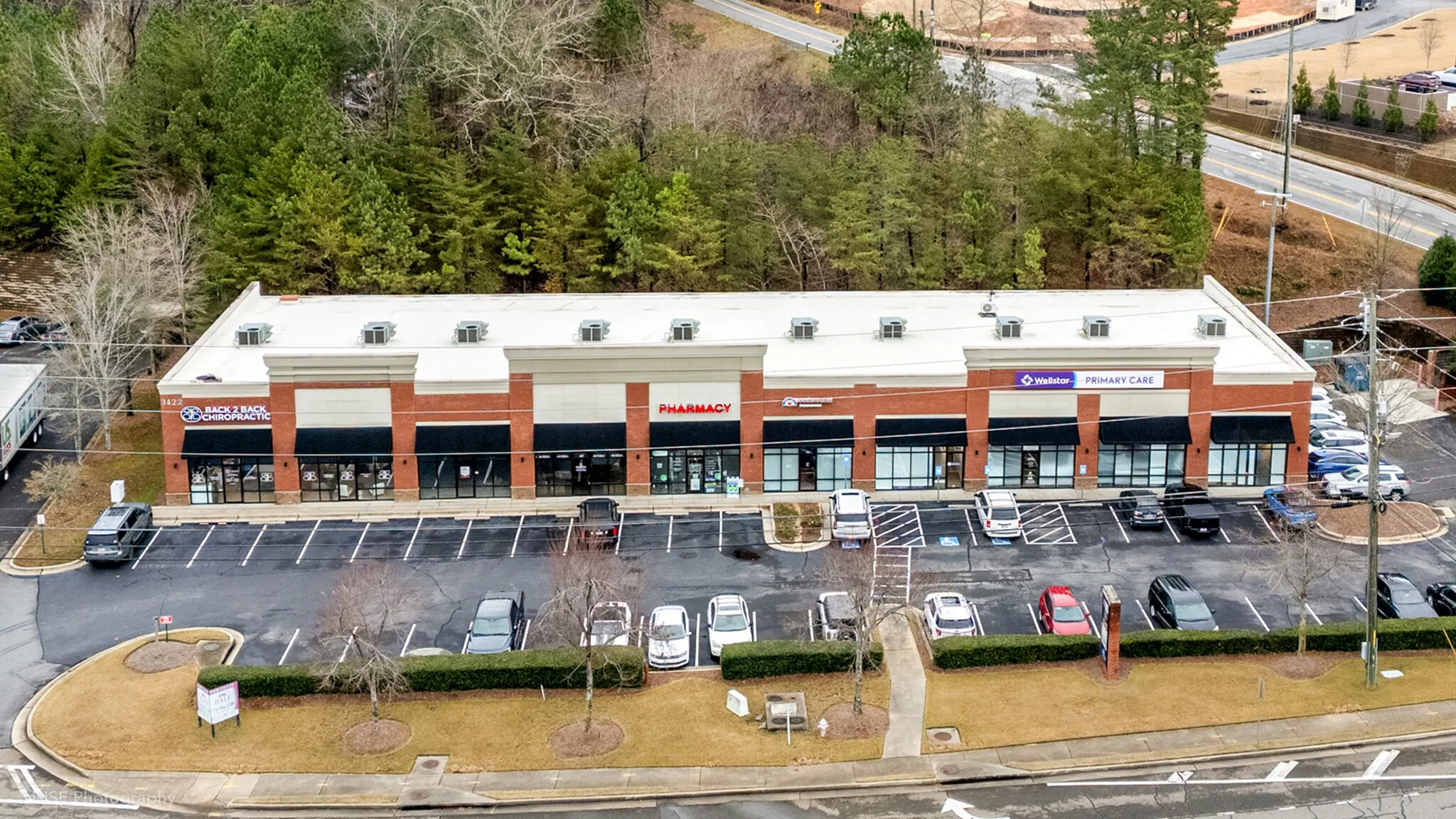
Retail and Shopping Center Roofing in Corpus Christi, TX
Commercial roofing for retail centers, strip malls, big-box stores, and shopping destinations.
Retail property owners along South Padre Island Drive and the Staples Street corridor know that Corpus Christi's Gulf Coast climate is unforgiving on commercial rooftops. The combination of relentless UV radiation, salt-laden air blowing in off Corpus Christi Bay, and the ever-present threat of tropical weather systems from the Gulf of Mexico creates a roofing environment that punishes deferred maintenance faster than almost anywhere in Texas. Strip malls from Calallen down to the Southside are constantly cycling through repair calls that could have been prevented with the right membrane system and a proactive inspection schedule.
TPO and PVC reflective membranes have become the dominant choice for flat-roof retail in Corpus Christi for good reason. The intense solar gain along the coast drives up cooling loads inside any anchor store or inline tenant space, and a white reflective roof can cut roof-surface temperatures by 50 degrees or more compared to a dark EPDM surface. For shopping center owners managing CAM charges across dozens of tenants, that energy reduction directly affects the operating cost line items that landlords and tenants negotiate over every lease renewal cycle. Properties along the SPID retail corridor, where big-box and strip configurations cluster together, have seen measurable reductions in HVAC runtime after converting from aged gravel-ballasted systems to heat-welded TPO.
HVAC penetrations are one of the most persistent leak sources on Corpus Christi retail rooftops. The sheer density of rooftop mechanical equipment serving restaurant tenants, grocery anchors, and fitness concepts means that a typical strip center has dozens of curbs, drain lines, and duct penetrations that require individual attention. Salt air accelerates the corrosion of improperly flashed metal curbs, and technicians from HVAC contractors often don't seal penetrations back to roofing industry standards after service calls. A documented penetration management protocol, maintained by your roofing contractor and shared with your property management team, is not optional on the Coastal Bend — it's the difference between quarterly patch calls and actual roof longevity.
Tenant disruption is a real liability concern for retail landlords in Corpus Christi's competitive leasing market. When a grocery-anchored center on Weber Road or a multi-tenant strip along Airline Road needs a full reroof, the work schedule has to account for business hours, delivery windows, and the noise sensitivity of service-oriented tenants like salons, urgent care clinics, and quick-service restaurants. Phased installation sequences, night-shift tearoff on sections adjacent to occupied anchor stores, and coordinated communication with tenant managers are all standard practice for experienced commercial roofing crews working in active retail environments. Skipping that coordination invites lease disputes and can trigger CAM reconciliation headaches that outlast the roofing project itself.
Flat roof drainage design is critical in a coastal city that can receive several inches of rain in a single tropical event. Many older retail centers in Corpus Christi were built with interior drains that have been partially obstructed by years of accumulated debris, rooftop equipment, and previous roof layers. Ponding water accelerates membrane deterioration, adds structural dead load, and signals to tenants below that the building envelope is failing. A drainage audit during the pre-project assessment phase — checking drain bowls, overflow scuppers, and tapered insulation slope — should be a non-negotiable deliverable from any contractor bidding retail roofing work along the coast.
Retail brand standards add another layer of complexity to commercial roofing in Corpus Christi. National chains anchoring centers from La Palmera mall's surrounding retail corridor to the big-box clusters near Interstate 37 often have landlord design criteria that govern rooftop equipment screening, parapet heights, and even the color of roofing membranes visible from certain vantage points. Working with those brand standards during a re-roofing project requires pre-construction coordination between the roofing contractor, the tenant's facilities team, and the property manager. Ignoring those requirements can result in tenant complaints, lease compliance issues, and costly rework after the project closes.
CAM budget planning for roof capital expenditures is an area where Corpus Christi retail landlords frequently underinvest until a problem becomes unavoidable. A well-structured roof asset management program — including annual inspection reports, photographic condition documentation, and a 10-year capital forecast — gives property owners the data they need to build roof reserves into CAM budgets before emergency repairs consume the operating margin. Lenders, insurers, and prospective buyers of retail centers along the Coastal Bend increasingly expect this documentation as part of due diligence, making it a financial asset as well as a maintenance tool.
Hurricane preparedness specifically shapes roofing specifications for retail in this market. The wind uplift requirements in Corpus Christi's coastal zone exceed standard inland Texas code minimums, and older retail roofs — particularly those on 1980s and 1990s strip centers that predate updated ASCE 7 provisions — may not meet current uplift standards even if the membrane surface appears intact. Post-storm assessments after Gulf weather events routinely reveal adhesion failures at field seams and perimeter termination bars that were never properly installed to coastal zone specifications. Addressing those structural vulnerabilities before the next named storm is far less expensive than emergency tarpover and interior damage claims.
Selecting a roofing contractor for retail work in Corpus Christi means evaluating experience with active commercial properties, not just residential or industrial roofing. The best crews in this market understand how to sequence work around Whataburger drive-through traffic, Hobby Lobby truck deliveries, and HEB-anchored center operating hours. They carry the liability coverage and manufacturer certifications necessary to issue warranted roof systems that satisfy lender requirements and support future property financing. For retail landlords managing the South Texas coast, the roof is a capital asset — treat it accordingly.
Send the roof location, leak photos, access notes, and decision timeline. We will start with the roof evidence and keep the scope tied to what can be verified.
What We Document
Membrane, seams, laps, edges, drains, scuppers, curbs, penetrations, rooftop units, and previous repairs.
Salt-air corrosion, wind exposure, ponding, blocked drainage, wet insulation clues, and interior leak evidence.
The practical split between immediate repair, maintenance, restoration review, recover planning, and replacement budgeting.
Daily dry-in expectations and closeout photos for ownership review.