
Restaurant and Food Service Building Roofing roof access, staging space, and tenant or operations limits.
Restaurant and Food Service Building Roofing in Corpus Christi, TX
Commercial roofing for restaurants, fast food, breweries, and food service buildings.
Whataburger's corporate support center and numerous franchise locations throughout Corpus Christi represent the kind of high-volume quick-service restaurant operation where roofing performance intersects with food safety, fire code compliance, and the occupied operational realities of a facility that never completely shuts down. Commercial restaurant roofing in Corpus Christi faces the full Gulf Coast climate challenge — hail, hurricane-force winds, intense UV, and the year-round humidity that accelerates every form of roofing system degradation — layered on top of the restaurant-specific roofing challenges that make food service facilities among the most demanding commercial roofing environments in any climate zone.
Kitchen exhaust penetrations are the defining roofing challenge for commercial restaurant facilities, and Corpus Christi's coastal environment intensifies every aspect of that challenge. Type I commercial kitchen hoods generate exhaust laden with grease aerosols that are deposited on the roof surface around hood exhaust stacks. In a hot, humid coastal climate, this grease-saturated surface becomes a breeding ground for biological growth, accelerates UV degradation of membrane materials in the contaminated zone, and creates drainage blockages as grease, biological matter, and wind-blown debris combine in drain sumps. Without dedicated grease-stop curb assemblies and access platform systems around kitchen exhaust penetrations, these areas become the first failure zones on any restaurant roof.
Grease contamination is the mechanism that most differentiates restaurant roofing from other commercial applications. Standard TPO and EPDM membranes are not designed to resist the petroleum-based grease compounds deposited around commercial kitchen exhaust systems — these compounds act as solvents that degrade membrane polymer chains over time, causing bubbling, delamination, and eventual failure at the contamination boundary. Kitchen exhaust curbs should be surrounded by grease-resistant metal containment systems, grease gutters, and sump receivers that capture exhaust deposits before they reach the primary membrane. In humid Corpus Christi conditions, maintaining these containment systems in working order requires regular inspection and cleaning.
Type I hood flashing involves some of the most technically demanding roofing details on any commercial building. The base flashing around a commercial kitchen exhaust stack must accommodate the heat differential between the exhaust duct surface — which can reach extremely high temperatures under peak cooking loads — and the surrounding roof membrane, which must be protected from direct contact with that heat. Properly specified and installed Type I hood flashings use metal enclosures with appropriate clearances, high-temperature membrane materials at the immediate perimeter, and standard membrane at a safe distance from the heat source. In Corpus Christi's climate, these details must also resist the corrosion that salt air produces on the metal enclosure components over time.
Fire suppression system penetrations are a regulatory and waterproofing challenge that restaurant roofing contractors must handle correctly. Commercial kitchen fire suppression systems run chemical agent supply lines from roof-mounted equipment down through the roof structure to suppression nozzles above cooking equipment. These penetrations require specific flashing details that maintain waterproofing while allowing the suppression system access needed for code-required inspections and maintenance. In Corpus Christi, these penetrations must also accommodate the thermal movement that the climate's extreme temperature range produces, and the metal components of the penetration assembly must be corrosion-resistant for the coastal environment.
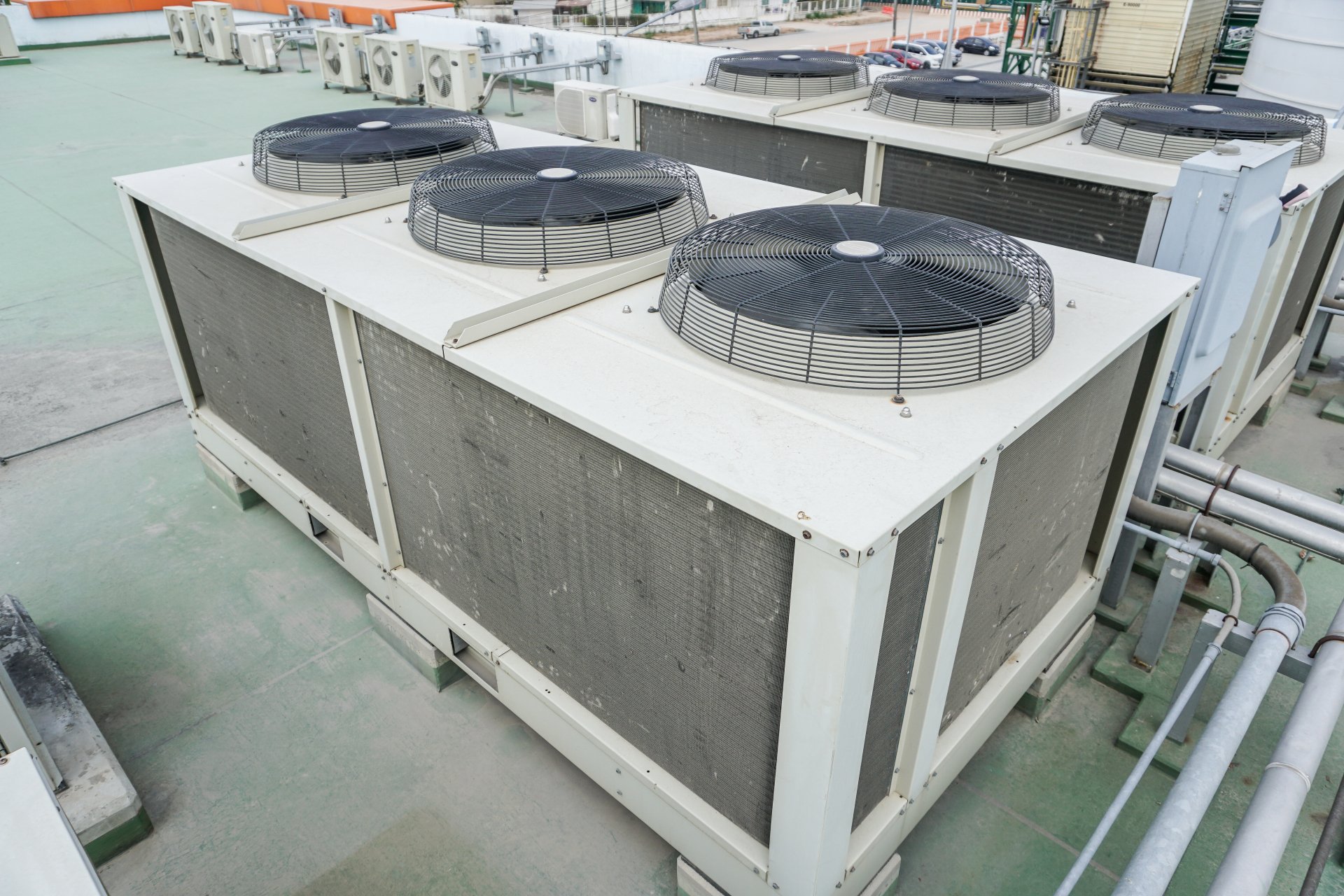
High-frequency HVAC equipment cycling is a roofing stressor specific to restaurant operations. Commercial restaurant HVAC systems cycle on and off far more frequently than office or retail systems, both in response to the intense heat generated by kitchen equipment and in response to the rapid changes in occupancy that restaurant businesses experience throughout the day. Each HVAC cycle creates thermal movement at the equipment curb and the surrounding membrane, and in Corpus Christi's year-round heat, HVAC systems run nearly continuously during summer months. Curb flashings at restaurant HVAC equipment experience far more thermal cycling stress than at comparable commercial properties, making their condition a priority in any restaurant roof inspection.
Occupied operations at Corpus Christi restaurants present scheduling challenges for roofing contractors that are more severe than most commercial applications. A restaurant that runs breakfast, lunch, dinner, and late-night shifts may have only a few hours in the early morning when kitchen operations are genuinely quiet. Any roofing work that creates noise, odor, or debris risk must be confined to those windows. Work involving heat sources near kitchen exhaust areas requires coordination with fire suppression system inspectors and requires that kitchen suppression systems be in a verified operational state before any hot work begins nearby.
Coastal humidity creates additional membrane selection pressures for Corpus Christi restaurant roofs. The combination of grease contamination, UV exposure, salt air, and the moisture that kitchen exhaust contributes to the rooftop environment means that standard commercial membranes without specific resistance to the restaurant rooftop environment degrade faster here than comparable products in inland, drier markets. Modified bitumen with mineral granule surface provides some inherent resistance to the grease contamination environment. EPDM membranes specifically formulated with grease resistance are also used in restaurant applications. Working with a roofing contractor experienced in restaurant-specific membrane selection produces better long-term outcomes than applying a generic commercial specification.
Preventive maintenance programs for Corpus Christi restaurant roofs should include quarterly inspection of kitchen exhaust areas — not annually, as would be appropriate for most commercial properties. The rate of grease accumulation, biological growth in the humid coastal environment, and drain system deterioration around kitchen exhausts is rapid enough that quarterly attention prevents the accelerated failures that result from annual-or-less maintenance cycles. The cost of quarterly maintenance is trivial compared to the cost of membrane replacement in the high-contamination zones around commercial kitchen exhaust stacks.
Send the roof location, leak photos, access notes, and decision timeline. We will start with the roof evidence and keep the scope tied to what can be verified.
What We Document
Membrane, seams, laps, edges, drains, scuppers, curbs, penetrations, rooftop units, and previous repairs.
Salt-air corrosion, wind exposure, ponding, blocked drainage, wet insulation clues, and interior leak evidence.
The practical split between immediate repair, maintenance, restoration review, recover planning, and replacement budgeting.