
Healthcare Facility Roofing roof access, staging space, and tenant or operations limits.
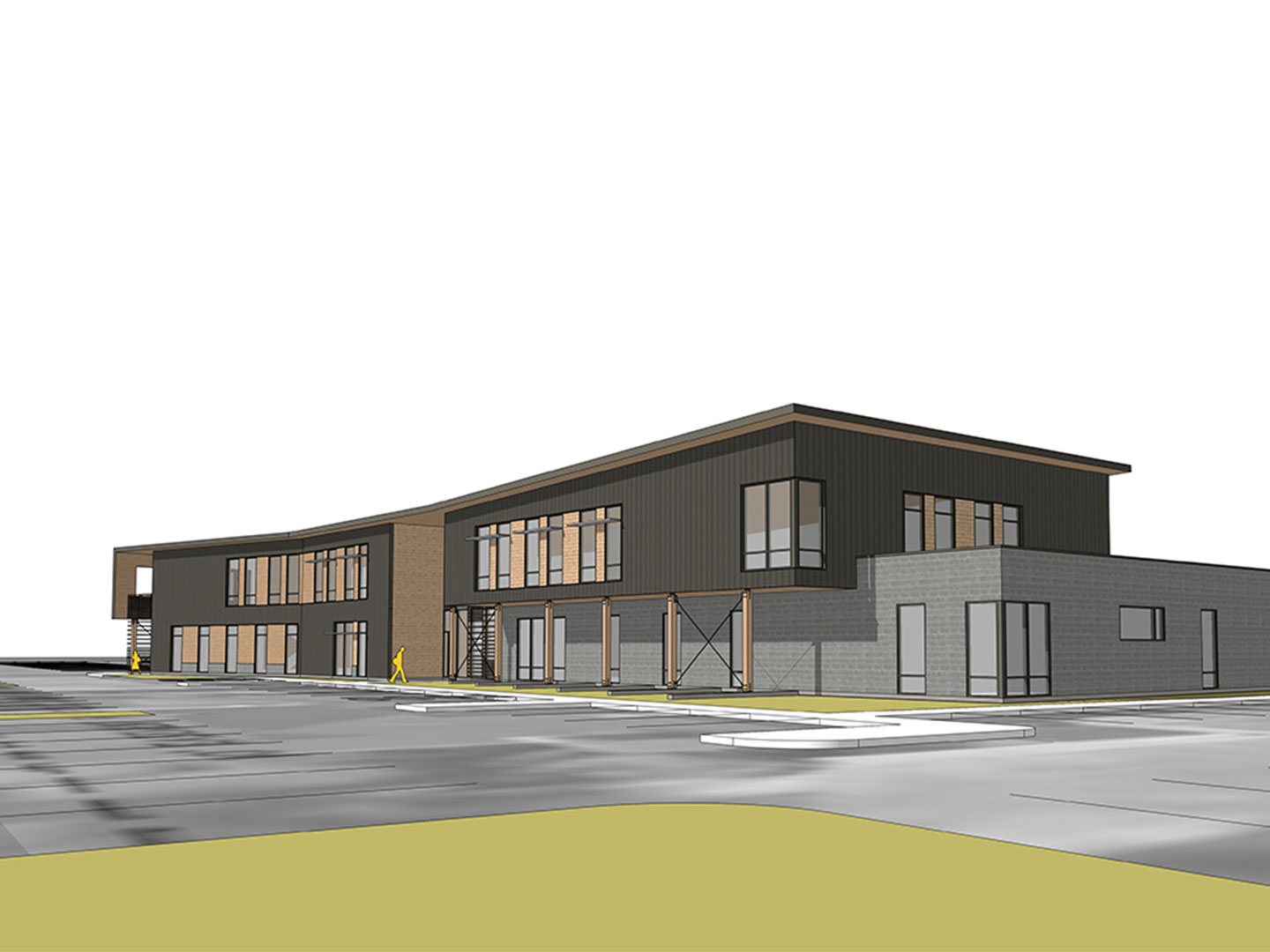
Healthcare Facility Roofing in Corpus Christi, TX
Commercial roofing for hospitals, medical offices, clinics, and healthcare facilities.
Christus Spohn Health System is the dominant healthcare institution in the Corpus Christi area, operating multiple hospitals and medical facilities across Nueces County including Spohn Hospital Corpus Christi-Memorial, the region's primary acute care referral center. When a health system of that scale undertakes roofing work on occupied patient care facilities, the complexity is an order of magnitude beyond what is encountered on any other type of commercial building — and the consequences of failure, in both human and financial terms, are proportionally severe.
Healthcare facilities are never truly unoccupied. A hospital operates continuously, 24 hours a day, 365 days a year, with patients in beds, staff in corridors, operating rooms in use, and critical equipment monitoring patients and maintaining life-sustaining systems at every hour. This continuous occupancy requirement means that every aspect of a roofing project on a hospital must be planned and executed with infection control, noise management, vibration control, and emergency access maintenance as non-negotiable constraints that govern the work plan from the first day of project planning to the final day of construction.
Infection control is the most consequential clinical dimension of hospital roofing projects in Corpus Christi. Construction dust — including debris from aging built-up roofing systems that may contain vermiculite insulation — can carry aspergillus and other opportunistic fungi that are benign for healthy adults but potentially fatal for immunocompromised patients. Hospital Infection Control Risk Assessment protocols, which classify construction activities by the potential for airborne contaminant release and the proximity to high-risk patient populations, must be developed collaboratively between the contractor, the hospital's infection control practitioner, and the facilities director before any construction activity begins. ICRA-compliant roofing projects in Corpus Christi involve continuous negative pressure maintenance in affected areas, HEPA filtration of air movement, and comprehensive contamination monitoring throughout the project.
Corpus Christi's Gulf Coast hurricane exposure adds a specific layer of risk management to Christus Spohn facility roofing that has no parallel in inland hospital markets. A hospital whose roof is compromised during a tropical storm event may be unable to shelter in place for patients who cannot be safely evacuated, and the interruption of HVAC, medical gas, and power systems that follows a significant roof breach can create life-safety emergencies. Roofing specifications for Spohn and other Corpus Christi hospital facilities must address wind uplift resistance appropriate for Gulf Coast exposure, and maintenance programs must prioritize post-storm inspection and rapid repair to maintain the building envelope integrity that hospital operations require.
Medical penetrations on hospital roofs are far more numerous and technically complex than on any other building type. A large Corpus Christi hospital roof may have hundreds of penetrations for medical gas systems, HVAC equipment, plumbing, electrical, communications, and emergency power systems, each penetration a potential water infiltration point if the flashing is inadequate or if vibration from mechanical equipment degrades sealants over time. Contractors who have experience with hospital roofing in the South Texas market understand that a penetration count that would be unusual on a commercial office building is routine on a hospital, and their specifications and labor estimates reflect this reality accurately.
Emergency access requirements during roofing projects are a critical operational constraint that hospital facilities managers enforce vigorously. Helicopter landing pads on hospital roofs must remain operational throughout all phases of the roofing project, with no construction materials, equipment, or debris permitted within the required clearance zones at any time. Ground-level emergency access routes must be maintained at all times, and the coordination of construction traffic with ambulance and emergency vehicle access routes requires explicit planning in the project's traffic management plan. Contractors who have worked on Corpus Christi healthcare facilities understand these constraints as non-negotiable requirements rather than inconveniences.
South Texas heat is a patient safety consideration as well as a construction logistics challenge for Corpus Christi hospital roofing projects. Rooftop HVAC equipment that is disrupted or temporarily bypassed during construction phases must be managed in coordination with the hospital's facilities engineering team to maintain appropriate temperature and humidity conditions in patient care areas, operating rooms, and pharmacy storage areas that have strict environmental requirements. The summer heat in Corpus Christi makes any temporary HVAC disruption a potential patient safety event, and the construction phasing plan must ensure that occupied patient care areas are never without adequate HVAC service.
Compliance documentation for hospital roofing projects in Corpus Christi extends well beyond what is required for standard commercial construction. The Joint Commission's Environment of Care standards, Centers for Medicare and Medicaid Services Conditions of Participation, and Texas Department of State Health Services facility standards all generate documentation requirements that the hospital's facilities director must satisfy throughout the construction process. Experienced healthcare roofing contractors maintain the project documentation systems needed to support compliance reporting — daily activity logs, ICRA protocol compliance records, dust monitoring data, and incident reports — and provide these materials to the hospital's facilities team at the frequency required by each regulatory standard.
Reflective roofing systems are particularly compelling for Corpus Christi hospitals because of the direct impact on mechanical system operating costs and patient comfort. The cooling load imposed by an aging dark membrane on a large hospital roof contributes directly to the HVAC system's operating cost and to the challenge of maintaining stable temperatures in patient areas during extreme South Texas summer heat events. A new reflective TPO or PVC system reduces rooftop surface temperatures dramatically, reducing the cooling load on systems that are already operating at capacity during peak summer demand periods.
Send the roof location, leak photos, access notes, and decision timeline. We will start with the roof evidence and keep the scope tied to what can be verified.
What We Document
Membrane, seams, laps, edges, drains, scuppers, curbs, penetrations, rooftop units, and previous repairs.
Salt-air corrosion, wind exposure, ponding, blocked drainage, wet insulation clues, and interior leak evidence.
The practical split between immediate repair, maintenance, restoration review, recover planning, and replacement budgeting.
Daily dry-in expectations and closeout photos for ownership review.